
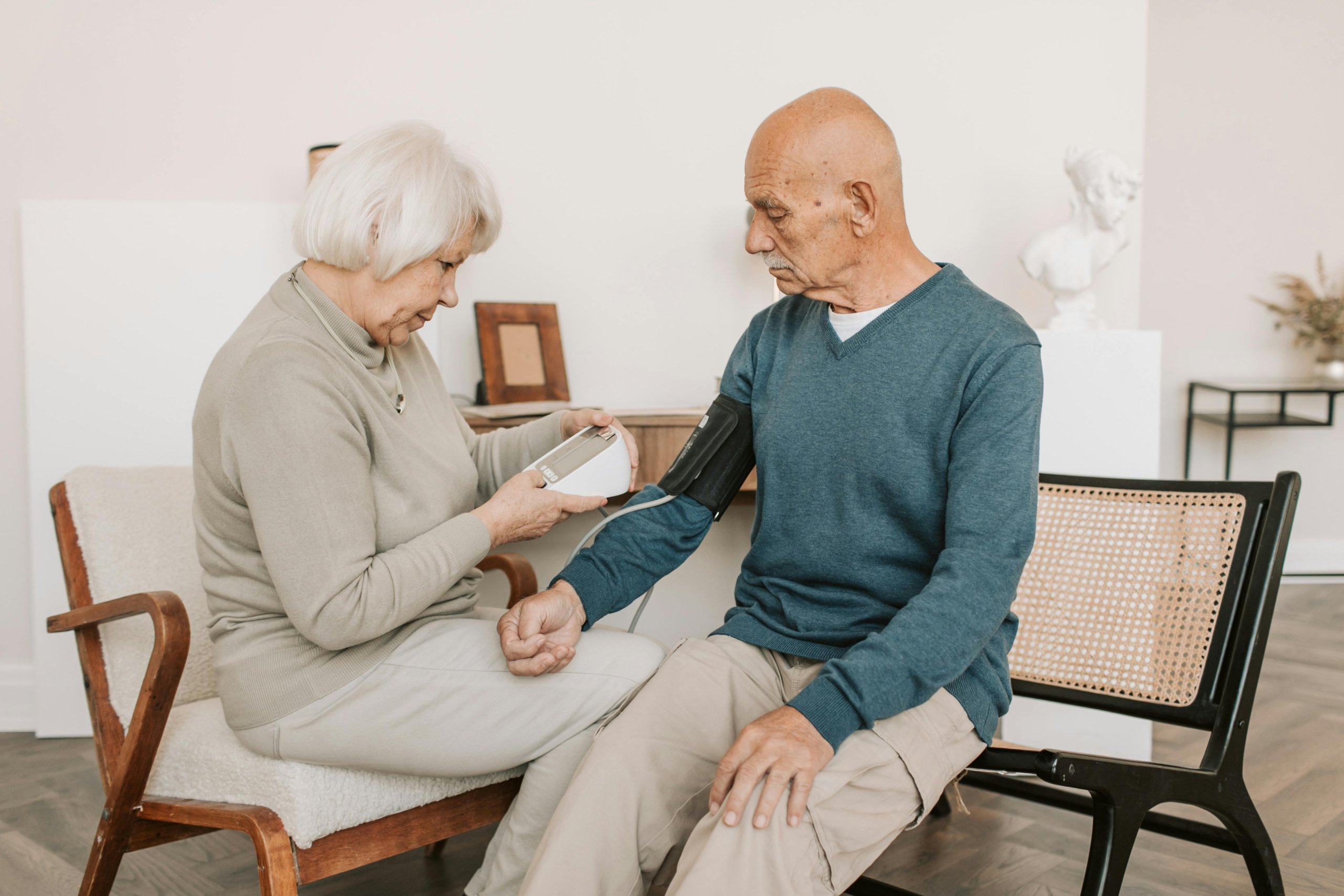
Daily Health Monitoring Devices Seniors Can Use At Home
Daily Health Monitoring Devices Seniors Can Use At Home
Home is where seniors feel most themselves. It is where routines are familiar, memories are layered into every room, and independence feels real. Yet aging brings changes that can quietly increase risk, especially when mobility, balance, or medical conditions shift.
Medical alert systems exist to protect that independence without replacing it. They provide reassurance that help is always close, even when no one else is in the house.
Why Safety Concerns Increase With Age
As the body ages, reaction time slows and recovery takes longer. A fall that once caused little harm can become life-altering. Medical events may happen suddenly, without warning. Many seniors are aware of these risks, yet hesitate to ask for help because they fear losing control over their lives.
Medical alert systems address this fear gently. They allow seniors to remain at home while knowing that assistance is available immediately if something goes wrong. This balance between safety and independence is what makes these systems so valuable.
How Medical Alert Systems Function Daily
Medical alert systems are designed to be simple and accessible. With a wearable button or home-based device, seniors can contact emergency responders or designated contacts at any time. This connection does not depend on reaching a phone or being able to move freely after an incident.
In everyday life, this functionality fades into the background. Seniors go about their routines knowing that help is there if needed. The system becomes a quiet safety net rather than a constant reminder of vulnerability.
Emotional Security and Confidence
Fear is one of the most limiting forces for seniors living alone. Fear of falling, fear of being unable to reach help, and fear of being discovered too late can all restrict daily movement. Over time, this fear shrinks independence.
Medical alert systems restore emotional security. When seniors trust that they are protected, they move more confidently. They are more likely to engage in daily activities rather than avoiding them out of worry.
Faster Response During Emergencies
In emergencies, time matters. After a fall or sudden medical event, seniors may be disoriented, injured, or unable to stand. Waiting to be discovered can worsen outcomes.
Medical alert systems shorten response time dramatically. With a single press, help is alerted and dispatched. Faster response often means quicker treatment and fewer complications, which can significantly impact recovery.
Supporting Independence Without Isolation
Living independently does not mean being alone. Medical alert systems provide a bridge between solitude and support. Seniors maintain control over their space and routines while knowing that assistance is always within reach.
This support allows seniors to continue living alone safely. They do not need constant supervision to feel protected. Instead, they gain reassurance that respects their autonomy.
Reducing the Fear of Falling
Fear of falling is one of the most common reasons seniors limit movement. This limitation weakens muscles and balance, ironically increasing fall risk.
Medical alert systems help break this cycle. Knowing that help is available encourages seniors to remain active. This activity supports strength, balance, and long-term mobility.
Peace of Mind for Families
Families often worry about aging loved ones who live alone. They may fear receiving a phone call that comes too late. This worry can create emotional strain for everyone involved.
Medical alert systems ease this burden. Families know that their loved one can access help even when they are not nearby. This reassurance allows relationships to focus on connection rather than constant concern.
Discreet Protection That Preserves Dignity
Modern medical alert systems are designed to be discreet and comfortable. They do not draw attention or interfere with daily life. This subtlety matters greatly to seniors who value privacy and dignity.
When safety tools blend into daily routines, seniors are more likely to use them consistently. Consistent use ensures protection without emotional resistance.
Beyond Falls and Accidents
While falls are a major concern, medical alert systems also support response to other emergencies. Sudden illness, breathing difficulties, or confusion can all require immediate assistance.
Having access to help in these moments can be life-saving. The system supports a wide range of scenarios, making it a comprehensive safety solution.
Encouraging Honest Conversations
Introducing a medical alert system often opens the door to important conversations about safety. Seniors may feel more comfortable discussing concerns when solutions feel supportive rather than restrictive.
These conversations build trust. Safety becomes a shared priority rather than a source of conflict between seniors and their loved ones.
Adapting to Changing Needs
Safety needs change over time. Medical alert systems adapt easily to new health challenges. This adaptability allows seniors to remain at home longer without sacrificing protection.
Gradual adjustments prevent sudden disruptions. Seniors maintain stability while receiving appropriate support as circumstances evolve.
Emotional Relief Through Preparedness
Preparedness reduces anxiety. Seniors who feel prepared worry less about worst-case scenarios. This emotional relief improves sleep, mood, and overall wellbeing.
Medical alert systems provide this preparedness quietly. They do not dominate daily life, yet they remain ready at all times.
Supporting Caregivers From a Distance
Caregivers cannot be present every moment. Medical alert systems extend caregiving support beyond physical presence.
This extended support reduces caregiver stress and burnout. Knowing that help is available allows caregivers to rest and maintain their own wellbeing.
A Foundation for Aging in Place
Aging in place requires thoughtful safety planning. Medical alert systems form a cornerstone of this plan by addressing one of the greatest risks seniors face.
When safety is assured, seniors focus on living rather than worrying. The home remains a place of comfort and familiarity.
Safety That Enhances Quality of Life
How medical alert systems improve senior safety at home goes beyond emergency response. They restore confidence, preserve independence, and support emotional wellbeing.
Seniors who feel safe engage more fully in life. They move, socialize, and rest with greater peace of mind.
Ultimately, medical alert systems are not about fear or limitation. They are about freedom. They allow seniors to live at home with dignity, knowing that support is always within reach. In that reassurance, safety becomes a source of strength rather than restriction.