
Best Type Of Blood Pressure Monitors For Seniors
Best Type Of Blood Pressure Monitors For Seniors
As individuals grow older, managing blood pressure becomes one of the most important aspects of protecting long-term health and independence. Hypertension often develops quietly, showing few obvious symptoms until serious complications such as stroke or heart disease occur. For this reason, having the best type of blood pressure monitor for seniors at home provides not only convenience but also peace of mind.
Regular home monitoring allows seniors and their families to track patterns, identify concerning changes, and share accurate readings with healthcare providers. Instead of relying solely on occasional clinic visits, consistent measurement empowers older adults to take a proactive role in their cardiovascular health. Consequently, choosing the right monitor becomes a decision that directly affects safety, confidence, and overall wellbeing.
Upper Arm Monitors: Accuracy And Reliability
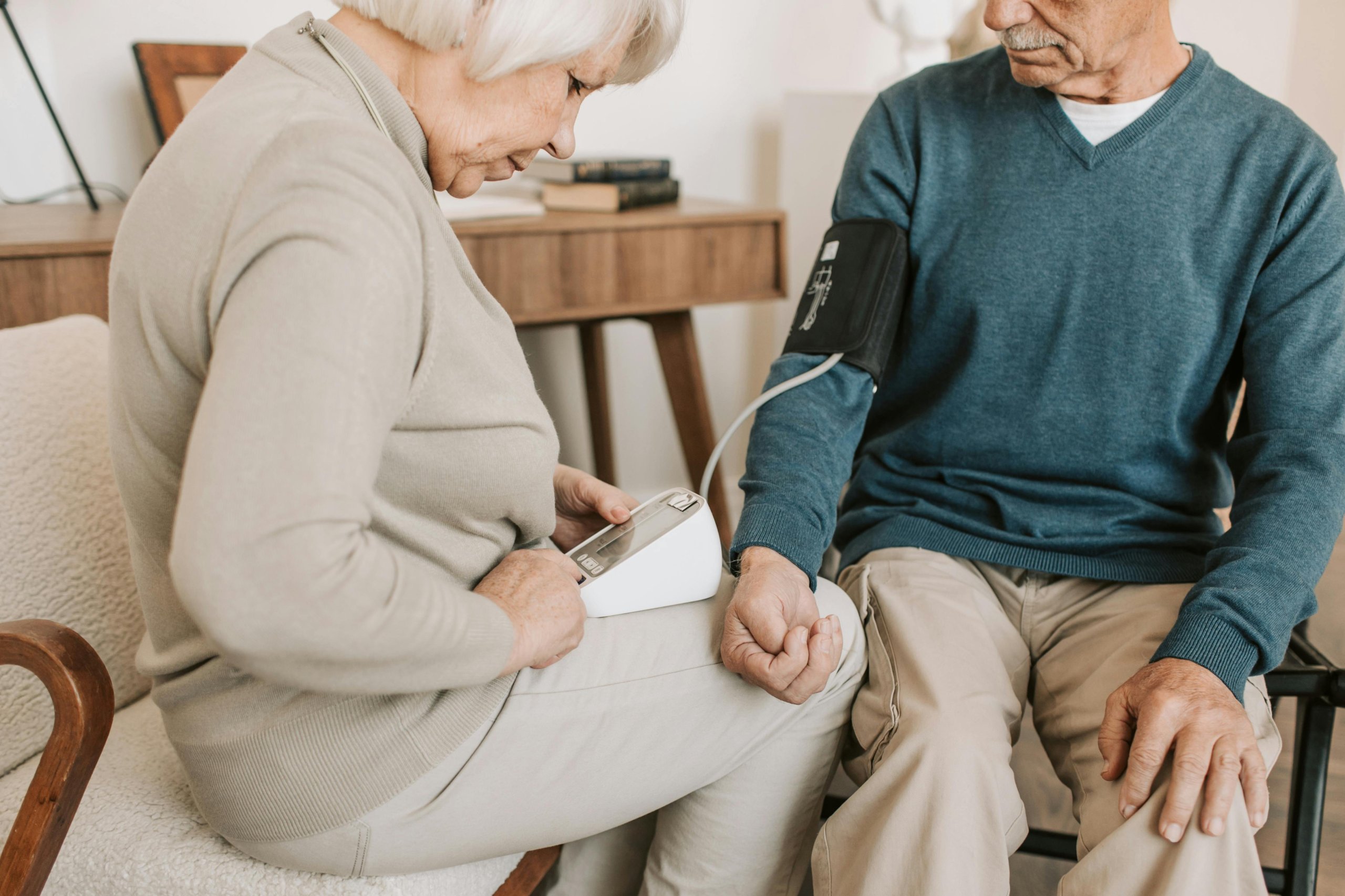
Among the various options available, upper arm blood pressure monitors are generally considered the most accurate and reliable choice for seniors. These devices wrap around the upper arm and measure pressure in the brachial artery, which closely reflects central blood pressure. Because of this positioning, readings tend to be more consistent and clinically dependable.
Additionally, many upper arm models are fully automatic, inflating and deflating with the push of a single button. This simplicity is especially important for seniors who may struggle with arthritis, reduced grip strength, or limited dexterity. Large digital displays with clear numbers further enhance usability, reducing frustration and confusion during operation.
However, proper cuff sizing is essential for accuracy. Seniors with larger or smaller arms should select monitors that offer adjustable cuffs designed to fit comfortably without restricting circulation. When the cuff fits correctly, readings are far more dependable, which strengthens trust in the results.
Wrist Monitors: Portability With Caution
While upper arm monitors are often preferred, wrist blood pressure monitors offer an alternative for seniors seeking portability and convenience. These compact devices are lightweight and easier to store, making them ideal for travel or small living spaces. Furthermore, wrist monitors may feel more comfortable for individuals who experience upper arm sensitivity.
Nevertheless, wrist monitors require precise positioning at heart level to ensure accurate readings. Even slight variations in arm height can lead to inconsistent measurements. For seniors who may have difficulty maintaining steady positioning, this requirement can pose a challenge.
Despite these considerations, high-quality wrist monitors with position sensors can provide reasonably accurate readings when used correctly. For some seniors, the trade-off between convenience and precision may still be worthwhile, especially when mobility or comfort is a concern.
Features That Enhance Senior Usability
When evaluating the best type of blood pressure monitor for seniors, ease of use should remain a top priority. Large backlit screens with bold numbers help individuals with vision changes read results clearly. Audio features that announce readings aloud can further support those with visual impairments.
Memory storage capabilities are equally valuable. Monitors that automatically store previous readings allow seniors to track trends without manually recording data. Some advanced models even connect to smartphone applications that generate detailed reports for healthcare providers, simplifying communication during appointments.
Additionally, one-touch operation minimizes confusion. Devices that require minimal setup reduce stress and increase the likelihood of consistent use. Over time, this consistency plays a critical role in managing hypertension effectively.
Emotional Reassurance And Independence
Beyond medical accuracy, blood pressure monitors provide emotional reassurance for seniors living independently. Knowing that they can quickly check their readings when feeling unwell fosters confidence and reduces anxiety. Instead of waiting for external validation, seniors gain immediate insight into their condition.
This sense of autonomy strengthens mental wellbeing. Seniors who actively participate in monitoring their health often feel more in control of their lives. Consequently, regular use of a reliable monitor becomes not only a medical practice but also a symbol of independence.
Family members also benefit from this reassurance. When seniors share stable readings or demonstrate responsible monitoring habits, loved ones experience reduced worry and greater trust in their ability to manage daily life safely.
Ensuring Accurate Readings At Home
Even the best blood pressure monitor for seniors requires proper technique to deliver reliable results. Resting quietly for several minutes before measurement helps stabilize heart rate and pressure. Keeping both feet flat on the floor and sitting upright with supported back positioning ensures consistent readings.
Avoiding caffeine, heavy meals, or physical exertion immediately before testing also enhances accuracy. By establishing a calm routine around monitoring, seniors can create dependable data that truly reflects their cardiovascular health.
Consistency in timing further improves reliability. Measuring blood pressure at the same time each day allows patterns to emerge, which healthcare providers can evaluate more effectively.
Choosing The Best Monitor For Individual Needs
Ultimately, the best type of blood pressure monitor for seniors depends on individual comfort, physical ability, and lifestyle. For most older adults, an automatic upper arm monitor with a properly fitted cuff offers the highest level of accuracy and ease. However, those who prioritize portability or experience upper arm discomfort may prefer a well-designed wrist model with positioning guidance.
What matters most is that the chosen device encourages consistent use. A monitor that feels complicated or uncomfortable will likely remain unused, diminishing its value. Therefore, selecting a device that aligns with personal needs ensures long-term engagement.
In the end, monitoring blood pressure at home represents a powerful step toward preventive care. Through reliable devices, thoughtful technique, and consistent tracking, seniors can protect their cardiovascular health while maintaining confidence and independence. By investing in the right monitor, they equip themselves with a practical tool that supports both physical wellbeing and emotional security for years to come.