
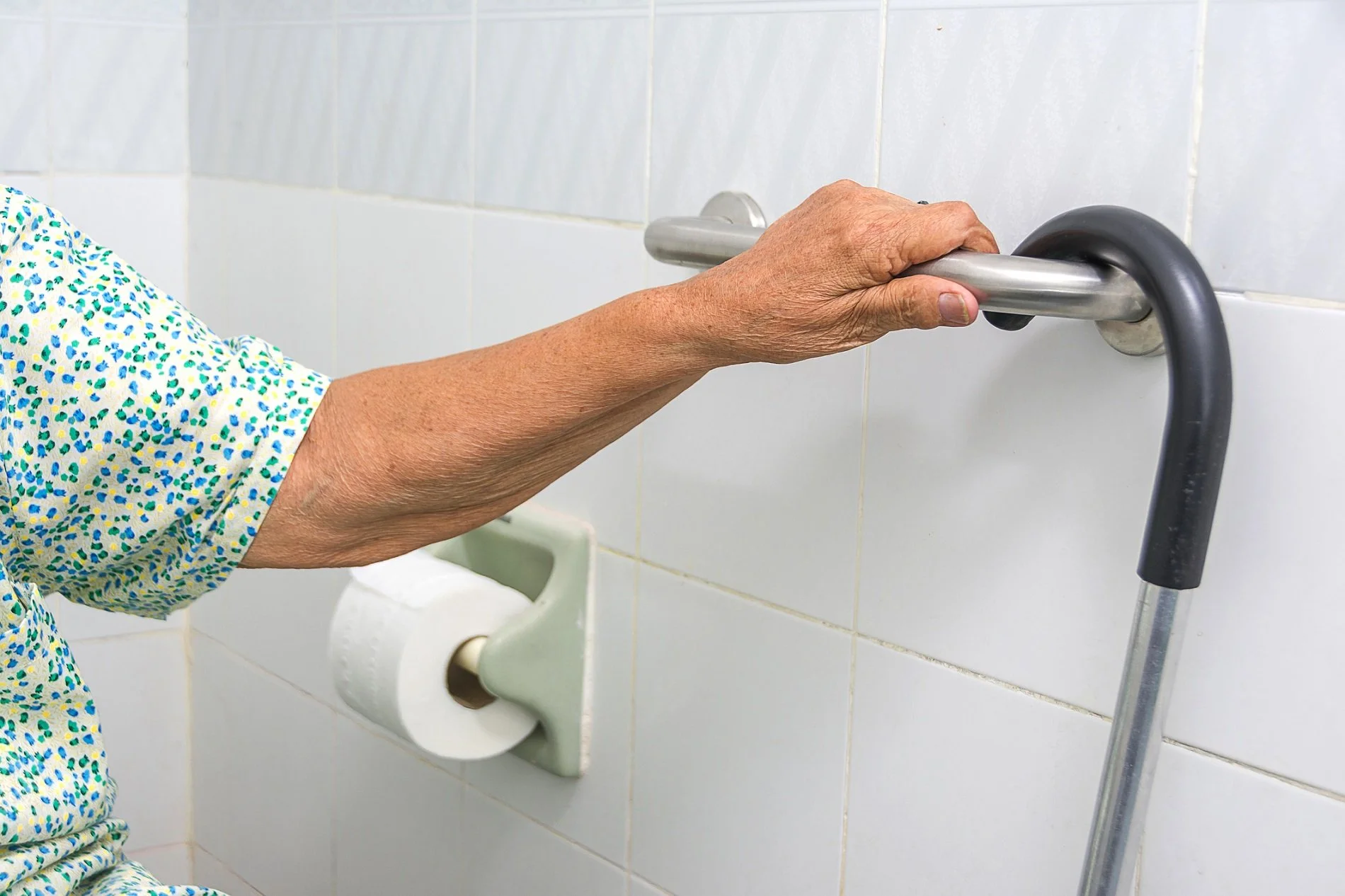
Deciding Which Grab Bar Is Best For You
Deciding Which Grab Bar Is Best For You
Deciding which grab bar is best for you often begins with understanding why these simple devices play such an important role in safety and independence. As mobility gradually changes with age, everyday movements such as stepping into a shower, standing up from a toilet, or stabilizing oneself near a sink can become more difficult. Even small shifts in balance can increase the risk of falls, which remain one of the leading causes of injury among older adults.
Because of this reality, grab bars offer reliable support in areas where slips and instability are most likely to occur. They provide a steady surface to hold while transitioning between positions, allowing individuals to maintain control of their movements. Although they may appear like minor additions to a home, grab bars often serve as powerful tools that promote both confidence and security.
Furthermore, installing the right grab bar encourages continued independence. When seniors feel supported in their own environment, they are more likely to perform daily routines without fear or hesitation. Consequently, choosing the right type becomes an important decision that directly influences safety and comfort.
Considering Placement And Environment
Before selecting a grab bar, it is important to think carefully about where the support will be needed most. Bathrooms typically present the greatest fall risk because water, smooth surfaces, and confined spaces create an environment where balance can easily be compromised. Therefore, grab bars are commonly installed near toilets, inside showers, and alongside bathtubs.
However, placement should always reflect the individual’s daily habits and mobility needs. For instance, someone who struggles with stepping into a tub may benefit from a vertical grab bar positioned at the entrance of the shower. Meanwhile, individuals who require assistance standing from a seated position may find horizontal bars beside the toilet more supportive.
The surrounding wall structure also plays an essential role in determining which grab bar will work best. Secure installation into wall studs provides the strongest support, ensuring the bar can safely bear body weight during use. When mounted correctly, grab bars become reliable anchors that allow seniors to move confidently throughout their living spaces.
Material And Durability Considerations
Another key factor when deciding which grab bar is best involves selecting the right material. Most high-quality grab bars are made from stainless steel or durable metal alloys, which resist corrosion and maintain structural integrity over time. These materials are particularly valuable in bathrooms where humidity and moisture are constant concerns.
Additionally, many grab bars include textured or knurled surfaces that improve grip even when hands are wet. This subtle design feature enhances stability and prevents slipping during use. For seniors who experience arthritis or reduced grip strength, these surfaces can make a noticeable difference in comfort and control.
Beyond functionality, aesthetics may also influence the decision. Modern grab bars come in a variety of finishes, including brushed nickel, chrome, and matte black, allowing them to blend seamlessly into bathroom décor. When grab bars complement the existing design of a home, individuals often feel more comfortable incorporating them into their daily environment.
Choosing The Right Length And Style
Grab bars vary widely in length and style, and selecting the appropriate size can significantly affect usability. Shorter bars may provide targeted support in small areas, while longer bars offer extended stability across larger surfaces. The correct length often depends on how the bar will be used and how much movement support is required.
For instance, individuals who need assistance shifting positions may prefer longer bars that allow them to maintain contact while moving. On the other hand, smaller spaces may require compact designs that still provide dependable support without overwhelming the area.
Angle and orientation also influence effectiveness. Some grab bars are installed horizontally, while others are placed vertically or diagonally depending on the type of movement they are intended to assist. By carefully considering how the bar will be used during daily routines, seniors can select a design that naturally supports their movements.
Enhancing Confidence And Emotional Wellbeing
While the physical safety benefits of grab bars are clear, their emotional impact should not be underestimated. Fear of falling can significantly limit a senior’s willingness to move freely within their home. Over time, this fear may lead to reduced activity levels and decreased independence.
However, the presence of secure support can restore a sense of confidence. When seniors know that stable assistance is within reach, they are more likely to maintain their daily routines without hesitation. This reassurance often encourages continued mobility, which contributes to both physical and emotional health.
In many cases, grab bars also bring peace of mind to family members and caregivers. Knowing that safety features are in place helps loved ones feel more comfortable allowing seniors to remain independent in their homes. As a result, these simple installations often strengthen trust and reduce anxiety for everyone involved.
Making A Thoughtful And Personal Decision
Ultimately, deciding which grab bar is best for you involves balancing safety, comfort, and practicality. Every individual has unique mobility needs, living environments, and personal preferences. Therefore, selecting the right grab bar should always reflect those specific circumstances rather than following a one-size-fits-all approach.
Taking time to evaluate placement, materials, and style ensures that the chosen grab bar truly enhances everyday living. When installed correctly and used consistently, these supportive devices become quiet yet powerful allies in maintaining independence.
In the end, a well-chosen grab bar represents far more than a safety feature. It symbolizes preparation, awareness, and a commitment to preserving confidence throughout the aging process. By making thoughtful decisions today, seniors can continue navigating their homes with stability, dignity, and peace of mind.