
Different Types Of Slide Boards For Seniors
Different Types Of Slide Boards For Seniors
When families begin exploring mobility aids, they often discover that different types of slide boards for seniors can play an important role in maintaining independence and safety. Slide boards, sometimes referred to as transfer boards, are assistive devices designed to help individuals move from one seated surface to another with greater stability. For seniors who experience limited mobility due to injury, illness, or aging, these boards can make daily transitions significantly easier.
Transferring between a bed, wheelchair, or chair may appear simple, yet it can become physically demanding when strength or balance declines. Without proper support, these movements may place strain on both the senior and the caregiver. Slide boards provide a smooth surface that allows the individual to shift gradually from one location to another, reducing the need for lifting and lowering.
Because these devices encourage controlled movement rather than sudden changes in position, they help minimize the risk of falls or injuries. Over time, seniors who use slide boards often feel more confident performing everyday transfers, which contributes to a greater sense of autonomy and security.
Standard Flat Slide Boards
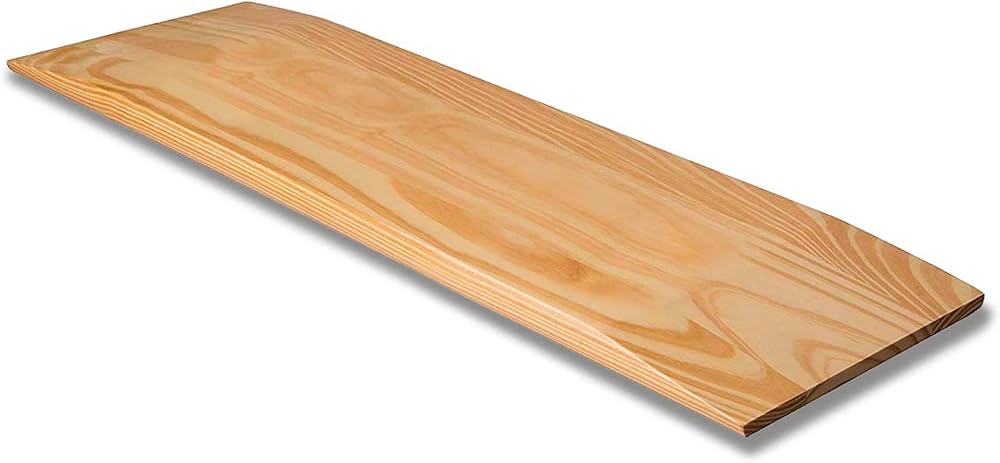
One of the most commonly used types of slide boards for seniors is the standard flat board. This design typically features a sturdy, straight surface made from materials such as wood, plastic, or reinforced composite. The board is positioned between two surfaces, such as a wheelchair and a bed, creating a bridge that allows the user to slide gradually across.
Flat slide boards are widely appreciated for their simplicity and reliability. Because they contain no complicated moving parts, they are easy to use and maintain. Seniors or caregivers can place the board quickly and focus on maintaining balance during the transfer.
The smooth surface of the board reduces friction, which allows individuals to shift their weight gradually while remaining seated. This gentle movement can be especially helpful for seniors who have limited upper body strength or who are recovering from surgery.
Although the design may appear basic, the stability it provides can make a meaningful difference in daily life. With consistent use, many seniors gain confidence in their ability to perform transfers safely and comfortably.
Curved Slide Boards For Improved Positioning
Another option among the different types of slide boards for seniors is the curved slide board. Unlike the straight design of standard boards, curved boards feature a subtle arc that allows the user to move along a more natural path during a transfer.
This curved shape can be particularly helpful when the surfaces involved in the transfer are not perfectly aligned. For instance, moving from a wheelchair to a car seat or from a chair positioned at an angle may require a more flexible pathway. The curved board accommodates these positions while still providing a stable surface for movement.
Because the arc follows a natural body motion, seniors may find the transfer process smoother and more intuitive. Caregivers also benefit from this design because it often allows them to guide the movement more gently without needing to reposition equipment repeatedly.
In many cases, curved boards reduce the number of adjustments required during a transfer. This efficiency helps create a calmer and more predictable experience for both the senior and the caregiver.
Slide Boards With Handholds For Added Control
Some slide boards are designed with built-in handholds that provide additional control during transfers. These openings allow caregivers or seniors to grip the board securely while positioning it between surfaces. Although the handholds may seem like a minor feature, they can make a noticeable difference when adjusting the board’s placement.
When a board is easier to grip and maneuver, caregivers can align it more precisely before beginning the transfer. This precision contributes to a safer and smoother movement process. Seniors also benefit from the added stability because the board remains firmly in place during use.
Furthermore, handholds often make it easier to remove the board once the transfer is complete. Instead of struggling to lift or slide the board out of position, caregivers can simply grasp the openings and reposition it quickly.
This added convenience helps ensure that transfers remain efficient and comfortable without unnecessary strain.
Padded Slide Boards For Comfort
Among the different types of slide boards for seniors, padded boards are designed with comfort in mind. These models include cushioned surfaces that reduce pressure on the hips and thighs during transfers. For seniors with sensitive joints or chronic pain conditions, this extra padding can make the process far more comfortable.
The padding does not interfere with the sliding motion but instead adds a layer of softness that protects the skin from irritation. Seniors who require frequent transfers throughout the day may particularly appreciate this added comfort.
In addition, padded boards often provide greater emotional reassurance. The softer surface can help seniors feel less anxious about the transfer process, especially if they have experienced discomfort during previous movements.
By combining support with comfort, padded boards help transform what might otherwise feel like a difficult task into a smoother and more manageable routine.
Choosing The Right Slide Board For Individual Needs
Ultimately, understanding the different types of slide boards for seniors involves recognizing that each design addresses specific mobility challenges. Some individuals may prefer the simplicity of a standard flat board, while others benefit from the flexibility of a curved design or the comfort of padded support.
Selecting the right board depends on factors such as mobility level, transfer environments, and caregiver assistance. By carefully evaluating these needs, families can choose a device that promotes both safety and confidence.
In the end, slide boards represent more than simple pieces of equipment. They serve as bridges that help seniors move safely between spaces while preserving independence and dignity. When thoughtfully selected and used with care, these devices provide meaningful support that enhances everyday mobility and strengthens the connection between comfort, safety, and compassionate caregiving.