
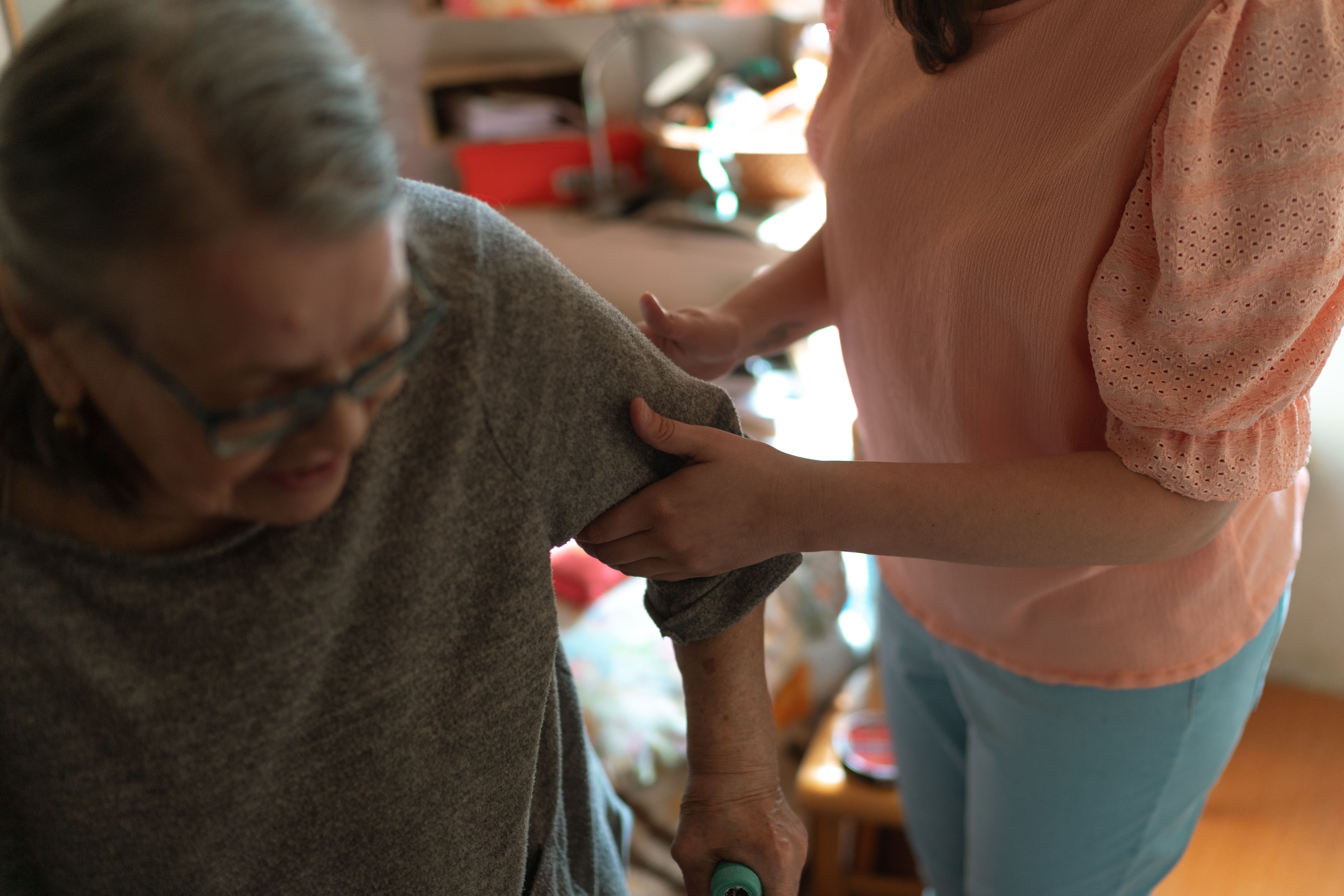
How To Help Seniors Adjust To Using A Cane 24/7
How To Help Seniors Adjust To Using A Cane 24/7
Adjusting to using a cane every day can be an emotional experience for seniors who have spent decades moving independently. Something as simple as walking across the living room may suddenly require greater concentration, patience, and physical support. For many older adults, the change brings frustration, embarrassment, or fear about what their future mobility might look like. However, helping seniors adjust to using a cane involves more than teaching proper walking techniques. It requires understanding their emotions, creating safer surroundings, and encouraging independence throughout the adjustment process.
Understanding The Emotional Impact Of Cane Dependency
For some seniors, accepting a cane feels like acknowledging physical limitations they never expected to experience. They may worry about appearing fragile, becoming dependent on others, or losing the freedom they previously enjoyed. Consequently, family members should approach these concerns with empathy rather than dismissing them as unnecessary fears.
Encouraging honest conversations can help older adults express their frustrations while recognizing that mobility equipment supports independence. More importantly, seniors should understand that needing assistance does not diminish their identity, accomplishments, or personal dignity.
Choosing A Cane That Provides Proper Support
Selecting an appropriate cane is essential because different designs provide varying levels of stability and comfort. Standard canes may suit individuals requiring modest support, while certain quad canes offer a broader base for specific mobility needs. However, not every cane is appropriate for every medical condition or walking difficulty.
A physical therapist can recommend suitable equipment and determine whether a walker would provide safer support. Additionally, proper fitting helps prevent unnecessary strain on the shoulders, wrists, and back during everyday movement.
Learning To Walk Confidently With A Cane
Using a cane correctly requires coordination, particularly when seniors are unfamiliar with the movement patterns involved. Generally, the cane is held opposite the weaker or painful leg, although individual conditions may require different instructions. Seniors should practice moving at a comfortable pace while keeping their cane positioned appropriately for support.
Furthermore, turning corners, approaching furniture, and navigating unfamiliar surfaces may require additional instruction and practice. Professional guidance can help establish safer habits while reducing the likelihood of developing uncomfortable walking patterns.
Making The Home Safer For Daily Cane Use
A home that once felt completely accessible may contain unexpected hazards when someone begins relying on a cane. Loose rugs, electrical cords, cluttered walkways, and slippery floors can interfere with safe movement throughout the day.
Therefore, families should create clear walking paths while ensuring frequently used belongings remain within comfortable reach. Installing appropriate grab bars, improving lighting, and securing unstable furniture can provide additional protection. Moreover, keeping the cane accessible beside frequently used seating areas helps seniors avoid walking without their recommended support.
Building Confidence Through Everyday Practice
Confidence often develops gradually as seniors become more familiar with incorporating a cane into their daily routines. Practicing manageable activities, such as walking between rooms or approaching a dining chair, can help establish consistency. However, exercises and walking practice should reflect the person’s physical abilities and any recommendations from rehabilitation professionals.
Family members can offer encouragement without rushing progress or comparing current abilities with previous independence. Celebrating meaningful improvements helps seniors recognize that adapting to a cane can create opportunities rather than simply introduce limitations.
Helping Seniors Navigate Public Places
Leaving home can feel intimidating when crowded sidewalks, uneven pavement, or unfamiliar entrances create additional mobility challenges. Consequently, families should consider accessible destinations, available seating, and convenient transportation before planning outings.
Supportive footwear and sufficient rest breaks can also make activities more comfortable for older adults adjusting to cane use. Additionally, asking whether assistance is wanted reinforces independence while allowing seniors to communicate their needs without embarrassment.
Supporting Strength And Physical Mobility
Although a cane provides additional stability, maintaining appropriate physical activity remains important for preserving strength and functional movement. Depending on individual health conditions, supervised exercises may help improve balance, endurance, and confidence during walking.
Nevertheless, seniors should avoid activities that cause dizziness, significant pain, or unsafe instability. A physical therapist can recommend suitable movements and determine whether changes in mobility require additional medical evaluation.
Recognizing When Additional Assistance Is Necessary
Repeated falls, worsening weakness, increasing dizziness, or difficulty controlling a cane may indicate that current support is insufficient. These changes deserve professional assessment because underlying medical conditions or medication effects may contribute to declining stability.
Furthermore, sudden walking difficulties accompanied by facial drooping, speech changes, or one-sided weakness require emergency medical attention. Recognizing these warning signs helps families respond appropriately rather than assuming every mobility change reflects normal aging.
Preserving Independence And Personal Dignity
Helping seniors adjust to using a cane 24/7 means recognizing that mobility challenges affect both physical abilities and emotional well-being. Families can provide meaningful support through patience, thoughtful home adjustments, professional guidance, and respectful communication.
Ultimately, a cane should represent a practical tool for maintaining freedom rather than a symbol of everything aging has changed. With encouragement and appropriate assistance, older adults can continue enjoying familiar routines, meaningful relationships, and everyday experiences while moving forward with greater confidence and dignity.