
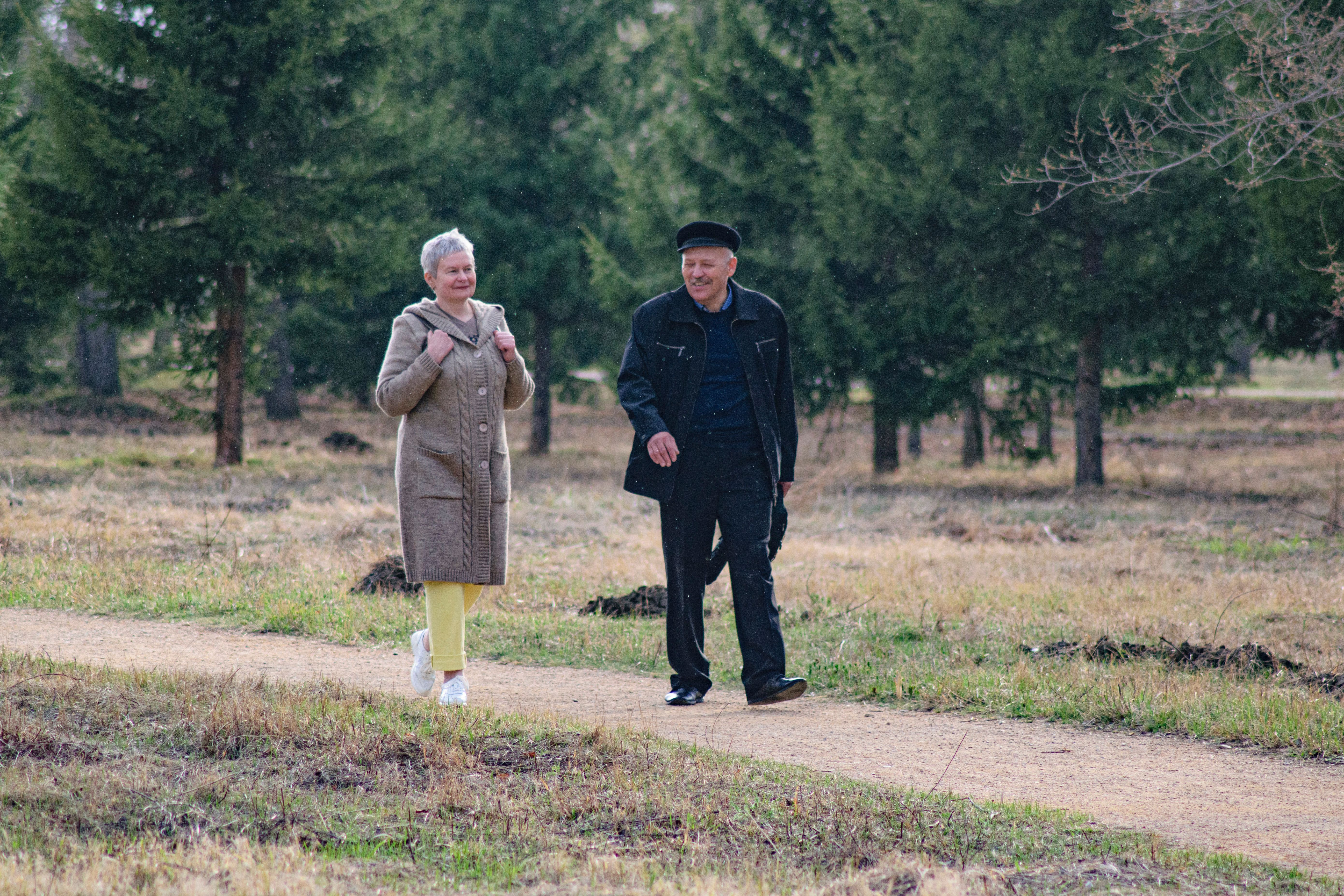
The Power Of Walking For Seniors
The Power Of Walking For Seniors
For many older adults, walking represents more than a form of exercise or a way to reach another room. It offers freedom, familiar routines, and the reassuring feeling of being able to move through the world independently. Yet aging, illness, and reduced confidence can make even short walks feel intimidating. Understanding the benefits of walking for seniors helps families encourage movement while respecting individual abilities and personal goals.
Why Walking Matters As We Age
Regular walking can support cardiovascular fitness, muscle endurance, and everyday mobility without requiring expensive equipment or complicated routines. Additionally, spending less time sitting may help older adults maintain the strength needed for shopping, preparing meals, and visiting friends. The greatest benefits often come from consistent activity that matches someone’s health and comfort rather than pushing toward an unrealistic distance. For seniors managing chronic conditions, a healthcare professional can recommend an appropriate starting point.
Supporting Heart Health And Circulation
Walking raises the heart rate gently when performed at an appropriate pace, helping the cardiovascular system remain active. Over time, regular physical activity may support blood pressure management and overall heart health alongside prescribed treatment. Furthermore, walking after meals can be a practical way to incorporate movement into an otherwise sedentary day. However, chest pain, unusual breathlessness, or faintness should never be ignored, and new exercise plans may require medical guidance.
Maintaining Strength And Everyday Balance
Walking engages muscles throughout the legs and trunk, which contribute to standing, transferring, and navigating familiar spaces. Consequently, maintaining a walking routine may help preserve physical function and make daily responsibilities feel more manageable. Nevertheless, walking alone may not address every balance problem, particularly after falls or neurological changes. A physical therapist can recommend strengthening exercises, appropriate mobility aids, and safer techniques tailored to individual needs.
Improving Mood And Emotional Wellbeing
The emotional benefits of walking for seniors can be just as meaningful as improvements in physical fitness. A peaceful morning stroll may provide relief from repetitive routines, while sunlight and changing scenery offer a refreshing sense of connection. Moreover, completing a manageable walk can restore confidence after illness or a period of reduced activity. Although movement cannot replace treatment for depression or anxiety, it can become a comforting part of broader emotional support.
Creating Opportunities For Connection
Walking with a neighbor, friend, caregiver, or grandchild can turn ordinary exercise into social time. Conversations often feel easier when people move together, especially for seniors who struggle with loneliness or isolation. Additionally, shared walks provide something to anticipate and create opportunities to notice seasonal changes around the neighborhood. Families should allow older adults to set the pace so companionship never becomes an uncomfortable test of endurance.
Choosing A Safe And Comfortable Route
A successful walking routine begins with an environment that matches the senior’s mobility, vision, and level of confidence. Smooth sidewalks, accessible parks, indoor corridors, and shopping centers may offer practical alternatives to uneven outdoor trails. Furthermore, supportive shoes, adequate lighting, and access to seating can reduce unnecessary challenges during an outing. Anyone using a cane or walker should follow professional fitting and technique advice rather than improvising support.
Starting Slowly And Building A Habit
Seniors returning to activity may find that a few comfortable minutes provide a better beginning than an ambitious target. Gradually increasing walking time allows the body to adapt while giving individuals opportunities to recognize fatigue or discomfort. Therefore, short walks spread throughout the day may feel more achievable than one demanding session. Rest days, hydration, and adjustments for extreme weather also help make the routine sustainable.
Respecting Limitations Without Losing Hope
Some older adults fear that walking difficulties signal an unavoidable loss of independence, especially after a frightening fall. Instead of dismissing those feelings, families can listen carefully and help identify activities that still feel safe. For someone with significant mobility limitations, supervised rehabilitation or adapted movement may be more appropriate than independent walking. Importantly, progress should be measured through comfort and function rather than comparisons with earlier years.
Rediscovering Freedom One Step At A Time
The power of walking for seniors lies in its ability to connect physical health with confidence, companionship, and everyday purpose. Whether the journey covers a garden path or several neighborhood blocks, each comfortable outing can offer a meaningful achievement. Ultimately, thoughtful encouragement and realistic expectations help older adults stay engaged in life while honoring their changing needs. Walking is not a competition; it is an opportunity to keep experiencing familiar places, cherished relationships, and the satisfaction of moving forward.