
Helping Seniors Pick Out The Right Walker
Helping Seniors Pick Out The Right Walker
Helping seniors pick out the right walker often begins with recognizing how mobility changes can affect confidence, independence, and everyday safety. As people grow older, balance, muscle strength, and joint flexibility may gradually decline, which can make walking longer distances or navigating uneven surfaces more challenging. Even individuals who once moved freely may begin to feel uncertain about their footing, especially when stairs, sidewalks, or crowded environments are involved.
Because of these changes, walkers serve as valuable tools that provide stability and reassurance. A well-chosen walker allows seniors to maintain their mobility while reducing the risk of falls. Rather than limiting independence, the right mobility aid often restores confidence by offering reliable support during movement.
Furthermore, walkers allow seniors to remain active in their daily routines. Activities such as visiting neighbors, attending appointments, or moving comfortably around the home become far more manageable when a stable support system is available. This ability to remain engaged with everyday life contributes to both physical health and emotional wellbeing.
Evaluating Individual Mobility Needs
When helping seniors pick out the right walker, the first step involves understanding the individual’s specific mobility needs. Not every walker is designed for the same level of support, and selecting the appropriate style requires thoughtful consideration of strength, balance, and overall comfort.
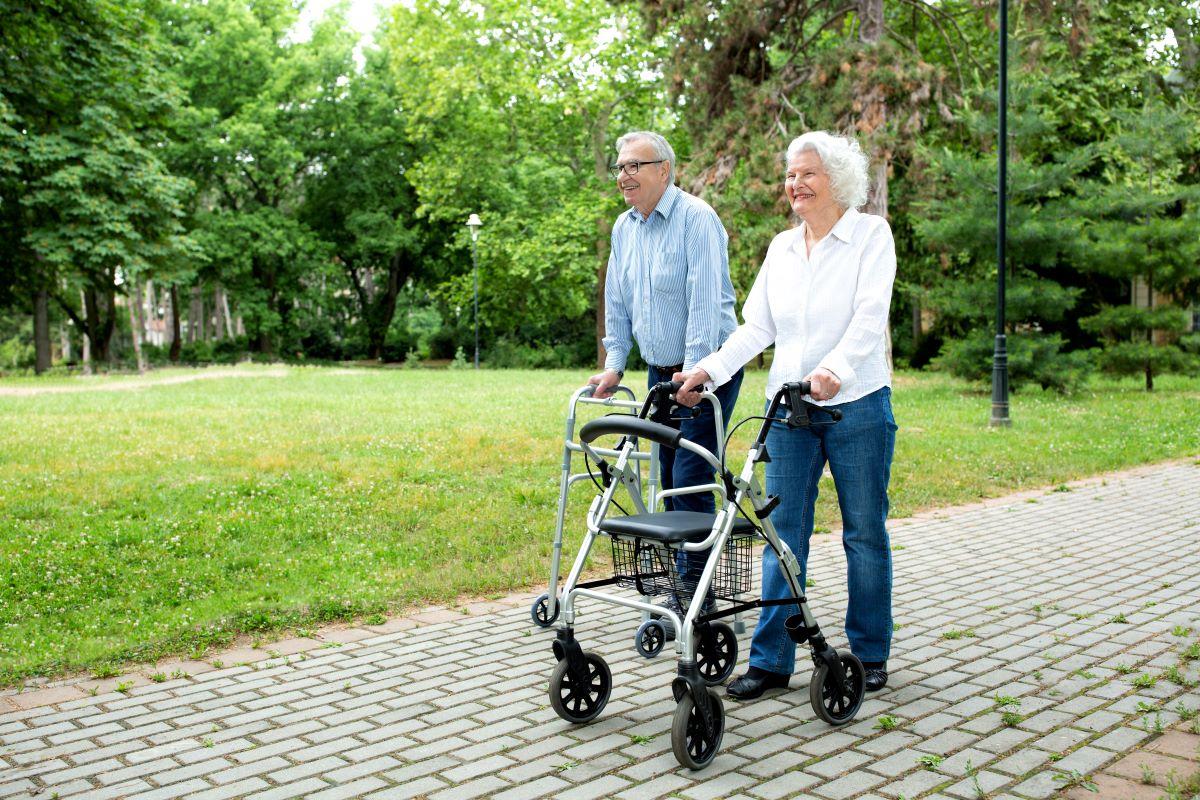
Some seniors may simply need light assistance with balance, particularly when standing or walking for longer periods. In these cases, a standard walker that provides firm support on all sides may offer the most stability. Others may benefit from walkers with wheels that allow smoother movement while still offering dependable support.
Mobility limitations can also vary depending on medical conditions. Arthritis, neurological disorders, or recovery from surgery may affect how comfortably a senior can grip handles or lift a walker during movement. For this reason, evaluating hand strength, posture, and endurance helps determine which walker design will feel most natural during everyday use.
Taking time to observe how a senior moves within their environment often provides valuable insight. When the walker aligns with their natural walking pattern, it becomes an extension of their mobility rather than an obstacle.
Comfort And Proper Fit
Another essential aspect of choosing the right walker involves ensuring that it fits the user comfortably. A walker that is too tall or too short can strain the back, shoulders, or wrists, which may lead to discomfort or improper posture while walking.
Ideally, the handles should align with the user’s wrists when their arms rest naturally at their sides. This positioning allows the elbows to bend slightly when gripping the walker, creating a balanced and comfortable posture during movement. When the height is adjusted correctly, seniors can walk upright rather than leaning forward awkwardly.
Handle design also plays a role in comfort. Many walkers include padded grips that reduce pressure on the hands and wrists. Seniors with arthritis or reduced grip strength often benefit from these softer surfaces because they provide better cushioning during extended use.
Additionally, lightweight frames can make maneuvering the walker easier, especially for individuals who tire quickly. When the device feels manageable rather than cumbersome, seniors are more likely to use it consistently.
Considering The Living Environment
The environment where the walker will be used is another important factor when making a thoughtful selection. Seniors who primarily move around inside the home may require a walker that fits easily through doorways and narrow hallways. Compact designs allow individuals to navigate tight spaces without frustration.
For those who enjoy spending time outdoors or traveling to appointments, walkers with wheels may provide smoother movement across sidewalks or parking areas. Some models include built-in seats that allow seniors to rest when needed, which can be particularly helpful during longer outings.
Floor surfaces also influence the type of walker that works best. Carpeted homes may require different mobility support compared to homes with tile or hardwood floors. Understanding these environmental details helps ensure the walker performs reliably within the senior’s everyday surroundings.
By considering how the walker interacts with the living environment, families can choose a model that truly enhances mobility rather than complicating it.
Emotional Confidence And Independence
Although walkers primarily serve as mobility aids, they also have a powerful emotional impact. Many seniors feel hesitant about using assistive devices because they worry it signals a loss of independence. However, the right walker often produces the opposite effect by restoring confidence and encouraging movement.
When seniors feel secure while walking, they are more likely to continue engaging in social activities and daily routines. Instead of avoiding movement due to fear of falling, they gain reassurance from the stable support beneath their hands. This confidence allows them to remain active participants in their own lives.
Family members often notice the emotional difference as well. Seeing a loved one move safely and comfortably reduces anxiety about potential injuries and strengthens trust in the senior’s ability to maintain independence.
The walker becomes more than just equipment. It becomes a symbol of safety and empowerment.
Making A Thoughtful And Supportive Choice
Ultimately, helping seniors pick out the right walker involves balancing safety, comfort, and personal preference. Every individual’s mobility journey is different, which means selecting the right device requires patience and thoughtful observation.
When seniors participate in the decision-making process, they are more likely to embrace the walker as a helpful companion rather than a restriction. Encouraging them to test different models and adjust settings ensures that the final choice feels natural and supportive.
In the end, the right walker allows seniors to continue exploring their world with stability and confidence. By providing reliable support during movement, it helps preserve independence, encourages physical activity, and strengthens emotional wellbeing.
Through careful selection and compassionate guidance, families can help ensure that mobility remains a source of freedom rather than limitation in the later stages of life.