
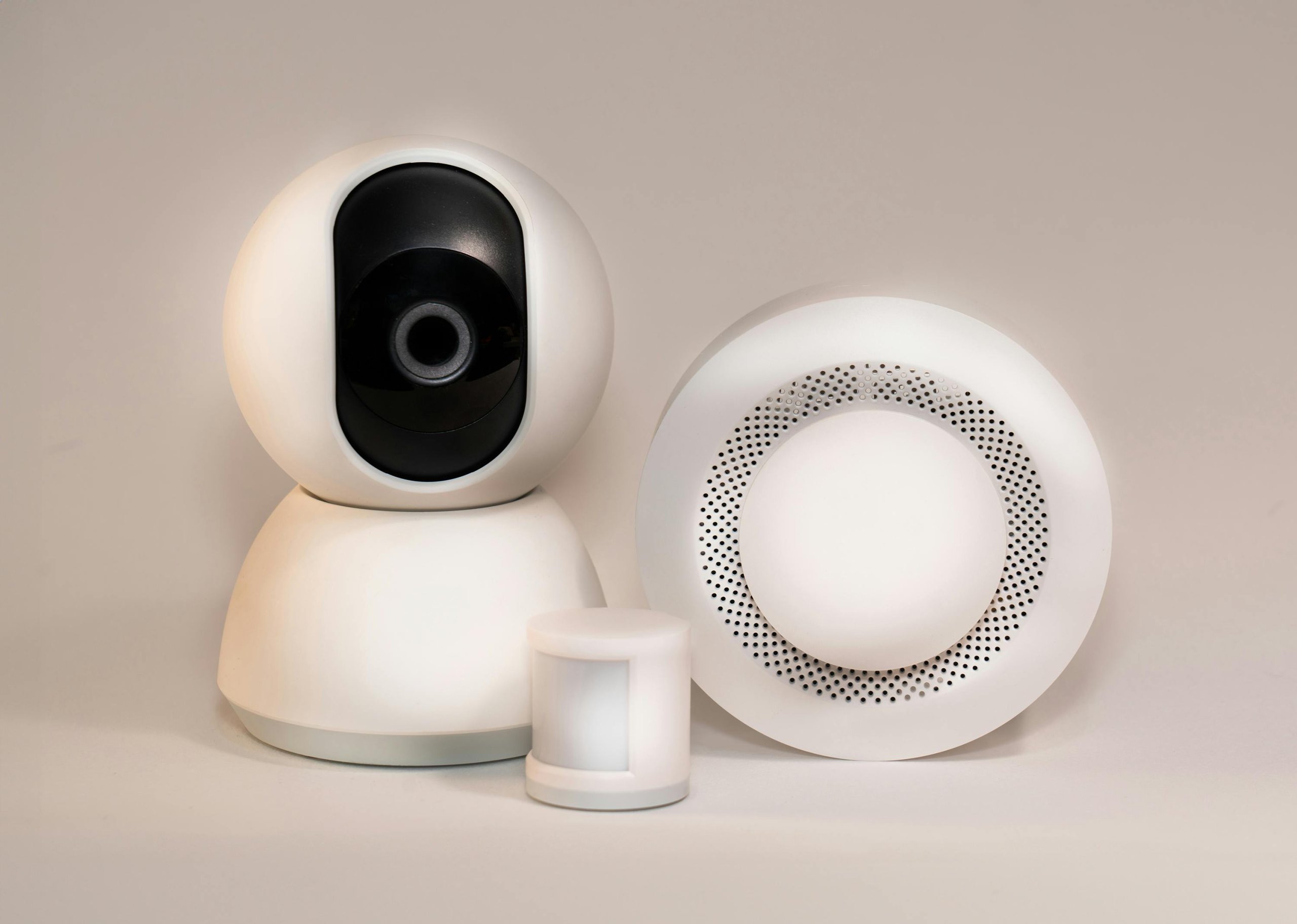
How Medical Alert Systems Improve Senior Safety At Home
How Medical Alert Systems Improve Senior Safety At Home
For many seniors, home represents independence, comfort, and a lifetime of memories. Aging in place allows older adults to remain connected to familiar routines and surroundings. However, as mobility, balance, or health change, safety concerns quietly grow.
A fall, sudden illness, or moment of confusion can turn an ordinary day into an emergency. Medical alert systems exist to bridge this gap, offering protection without taking away freedom. They are not symbols of decline. They are tools of empowerment.
Why Safety at Home Becomes a Growing Concern
As the body ages, recovery slows and reaction time changes. Falls become more dangerous, and medical events may occur without warning. Seniors often recognize these risks but hesitate to voice concerns, fearing loss of independence.
Medical alert systems address these fears gently. They provide reassurance that help is available instantly, without requiring constant supervision. This reassurance supports both physical safety and emotional peace.
How Medical Alert Systems Work in Everyday Life
Medical alert systems are designed to connect seniors to help at the press of a button. Whether worn as a pendant, wrist device, or integrated into the home, these systems allow seniors to call for assistance anytime.
This immediate connection matters. When emergencies happen, minutes can make a critical difference. Knowing that help is only a button away reduces hesitation and fear during stressful moments.
Emotional Security for Seniors
Fear of being alone during an emergency weighs heavily on many seniors. This fear can limit movement and reduce confidence. Seniors may avoid activities or restrict themselves to certain rooms, gradually shrinking their world.
Medical alert systems restore emotional security. When seniors trust that help is available, they move more freely. Confidence returns, and daily life feels less fragile.
Independence Without Isolation
One of the greatest benefits of medical alert systems is preserving independence. Seniors can live alone without feeling abandoned. They remain in control of their daily lives while knowing support is accessible.
This balance is crucial. Independence thrives when safety is assured. Medical alert systems allow seniors to make choices based on preference rather than fear.
Faster Emergency Response
When emergencies occur, delays can have serious consequences. Seniors may be unable to reach a phone after a fall or sudden health episode. Medical alert systems eliminate this barrier.
By providing immediate access to emergency services or designated contacts, these systems shorten response time. Faster response often leads to better outcomes and reduced complications.
Supporting Family Peace of Mind
Medical alert systems benefit families as much as seniors. Loved ones often worry about what might happen when they are not present. This worry can create constant anxiety.
Knowing that a senior has access to immediate help provides relief. Families feel reassured that their loved one is protected, even when distance separates them.
Reducing Fear of Falling
Fear of falling is one of the most common concerns among seniors. This fear often leads to reduced activity, which weakens muscles and increases fall risk further.
Medical alert systems help break this cycle. Seniors feel safer attempting daily tasks when they know help is available if needed. This confidence encourages continued movement and engagement.
Supporting Recovery and Confidence
After a fall or medical event, confidence often suffers. Seniors may fear recurrence and limit themselves unnecessarily. Medical alert systems support recovery by providing reassurance during this vulnerable time.
With safety measures in place, seniors rebuild trust in their bodies. Gradually, confidence grows, and activity resumes.
Discreet Safety That Respects Dignity
Modern medical alert systems are designed to be discreet and comfortable. They integrate into daily life without drawing attention. This discretion helps seniors feel dignified rather than monitored.
When safety tools feel natural rather than intrusive, acceptance increases. Seniors are more likely to use systems consistently when they align with personal comfort and style.
Addressing Medical Emergencies Beyond Falls
While falls are a primary concern, medical alert systems also support response to other emergencies. Sudden illness, breathing difficulty, or confusion can all require immediate assistance.
The versatility of these systems ensures seniors are protected in a wide range of situations. This comprehensive support enhances overall safety.
Encouraging Honest Communication
Having a medical alert system often opens conversations about safety that might otherwise feel uncomfortable. Seniors may feel more willing to discuss concerns when solutions feel supportive rather than restrictive.
These conversations strengthen trust between seniors and caregivers. Safety becomes a shared goal rather than a source of conflict.
Adapting to Changing Needs
Safety needs evolve over time. Medical alert systems adapt easily to changing health conditions. This adaptability allows seniors to remain at home longer without sacrificing protection.
Adjusting safety measures gradually prevents sudden disruptions. Seniors maintain stability while receiving appropriate support.
Emotional Relief Through Preparedness
Preparedness reduces anxiety. Seniors who feel prepared worry less about worst-case scenarios. This emotional relief improves sleep, mood, and overall wellbeing.
Medical alert systems provide this preparedness quietly, without dominating daily life.
Caregiver Support Without Constant Presence
Caregivers cannot be everywhere at once. Medical alert systems extend caregiver support beyond physical presence.
This extended support reduces caregiver stress and burnout. Knowing that seniors can call for help independently allows caregivers to rest and maintain their own health.
A Foundation for Aging in Place
Aging in place requires thoughtful planning. Medical alert systems form a cornerstone of this planning by addressing one of the greatest risks seniors face.
When safety is assured, seniors focus on living rather than worrying. The home remains a place of comfort rather than concern.
Safety That Strengthens Quality of Life
How medical alert systems improve senior safety at home extends beyond emergencies. They restore confidence, preserve independence, and strengthen emotional wellbeing.
Seniors who feel safe engage more fully in life. They move, socialize, and rest with greater peace of mind.
Ultimately, medical alert systems are not about fear. They are about freedom. They allow seniors to live at home with dignity, knowing that support is always within reach. In that reassurance, safety becomes a source of strength rather than limitation.