
The Benefits Of Wheelchair Ramps For Seniors
The Benefits Of Wheelchair Ramps For Seniors
The benefits of wheelchair ramps for seniors become increasingly evident as mobility changes begin to affect everyday life. Many older adults eventually experience challenges with balance, strength, or joint flexibility, which can make navigating stairs and uneven entrances more difficult than it once was. While these changes are a natural part of aging, they should never prevent someone from safely accessing their home or moving freely through their living space.
Because of this, wheelchair ramps provide a simple yet powerful solution that restores accessibility and independence. Instead of facing the physical strain and danger of climbing steps, seniors can enter and exit their homes with far greater ease. Over time, this improvement in accessibility contributes not only to physical safety but also to emotional comfort and peace of mind.
Furthermore, ramps benefit individuals who use wheelchairs, walkers, or mobility scooters, all of which require smooth transitions between different levels. When a ramp replaces a staircase or raised entryway, everyday tasks such as leaving the house, receiving visitors, or enjoying time outdoors become far less stressful.
Promoting Independence And Daily Confidence
One of the most meaningful benefits of wheelchair ramps for seniors is the sense of independence they help preserve. Aging often brings unexpected physical limitations, and these changes can make once-simple activities feel overwhelming or even intimidating. However, when a home environment adapts to meet those needs, seniors regain the ability to manage their routines without constant assistance.
A ramp allows individuals to move in and out of their homes safely, whether they are heading to a doctor’s appointment, meeting family members, or simply enjoying fresh air outside. As a result, seniors can maintain greater control over their daily schedules and decisions. This autonomy plays an important role in emotional wellbeing, because maintaining independence often supports confidence and self-esteem.
Moreover, caregivers also benefit from this improved accessibility. When seniors can navigate entrances more easily, caregivers experience less physical strain when assisting with mobility devices. This shared relief contributes to a healthier and more supportive caregiving environment.
Reducing The Risk Of Falls And Injuries
Another major advantage of wheelchair ramps is their ability to significantly reduce fall risks. Stairs are one of the most common areas where accidents occur, particularly for seniors who may struggle with balance or vision changes. Even a small misstep can lead to serious injuries such as fractures, head trauma, or long recovery periods.
By replacing steps with a gradual incline, ramps create a safer pathway that minimizes these hazards. Seniors who use walkers or canes benefit especially from this design, because ramps provide smoother transitions and allow mobility aids to function properly. Instead of lifting devices over stairs or navigating uneven footing, individuals can move steadily and securely.
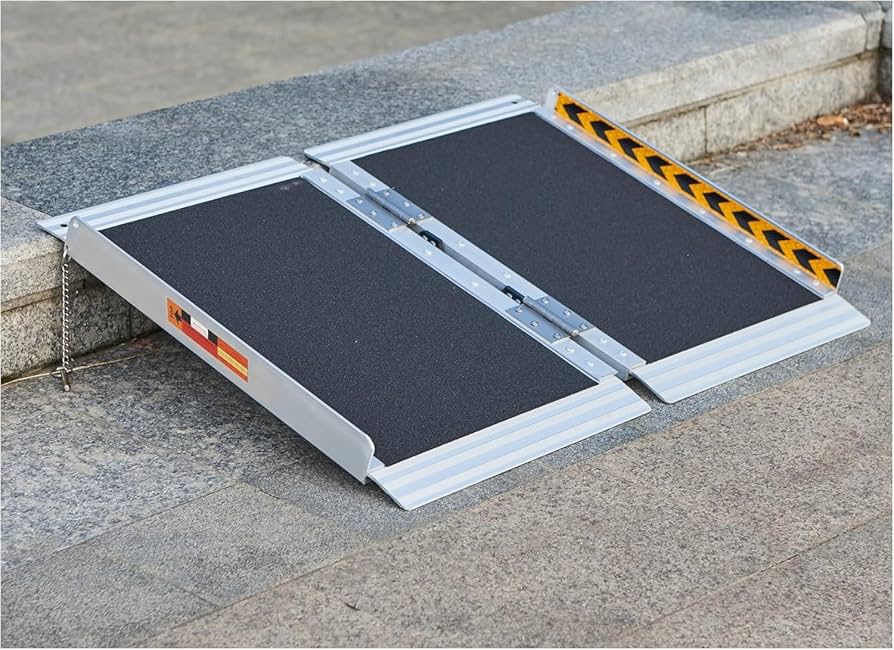
Additionally, many ramps include protective railings and textured surfaces that enhance stability. These design features help prevent slipping and provide extra support when needed. Over time, these safeguards contribute to a safer home environment that supports aging in place.
Supporting Mobility Devices And Changing Needs
As mobility needs evolve, wheelchair ramps become increasingly valuable because they accommodate a variety of assistive devices. Seniors who rely on wheelchairs or scooters require level pathways to move comfortably between indoor and outdoor spaces. Without a ramp, even a single step can create a barrier that limits freedom.
Furthermore, ramps remain beneficial even for those who do not currently use wheelchairs. Many seniors rely on walkers, rollators, or other mobility aids that function far more effectively on gradual slopes than on staircases. Installing a ramp early allows a home to adapt as physical needs change over time.
This forward-thinking approach supports long-term accessibility. Instead of waiting until mobility challenges become severe, ramps prepare a home to remain safe and welcoming for years to come.
Improving Emotional Wellbeing And Social Connection
Beyond the physical advantages, wheelchair ramps also play an important role in emotional wellbeing. When seniors encounter barriers that limit their ability to leave their homes easily, feelings of isolation can begin to develop. Social connections may gradually decrease if accessing the outside world becomes physically difficult.
However, ramps restore freedom of movement and encourage continued participation in daily life. Seniors can visit neighbors, attend family gatherings, or simply enjoy a moment outside without worrying about navigating steps. These opportunities for connection contribute to improved mental health and a greater sense of belonging.
In addition, family members often feel reassured knowing their loved ones have safer access to their homes. This peace of mind strengthens relationships and allows everyone to focus more on meaningful time together rather than safety concerns.
A Long-Term Investment In Aging In Place
Ultimately, the benefits of wheelchair ramps for seniors extend far beyond convenience. They represent an important investment in safety, independence, and long-term accessibility. As more individuals choose to age in place rather than relocate to assisted living environments, home modifications like ramps become essential tools for maintaining comfort and autonomy.
Installing a ramp allows seniors to remain in familiar surroundings while adapting their homes to meet changing physical needs. This balance between independence and safety creates an environment where individuals can continue living confidently and comfortably.
In the end, wheelchair ramps are more than structural additions to a home. They symbolize thoughtful preparation for the future and a commitment to preserving dignity throughout the aging process. By creating accessible spaces that support mobility and freedom, ramps help seniors maintain active, connected, and fulfilling lives.